
How to Create Authentic-Looking UGC Videos with AI Tools

In the fast-paced digital landscape of 2026, capturing genuine audience attention is harder than ever. You know User-Generated Content (UGC) builds trust, but scaling production is a headache. Relying on human creators often means high costs and slow turnaround times.
Fortunately, artificial intelligence has evolved to bridge the gap between quantity and authenticity. By utilizing an advanced ai ugc video generator, you can produce relatable content without logistical nightmares. These tools offer efficiency, allowing brands to generate lifelike testimonials instantly.
This guide explores how to leverage these tools to create compelling video ads. We will compare AI-generated content against human-created videos and provide actionable strategies. Get ready to revolutionize your creative process and scale your ecommerce growth effortlessly.
AI UGC Video Generators: Scaling Authentic Content
Marketing teams often struggle to produce enough video content to meet demand. An ai ugc video generator automates this process effectively. These tools create assets that mimic the look and feel of user-generated content.
They allow brands to scale advertising efforts without constant manual recording. This technology bridges the gap between high-volume needs and the desire for relatable content.
1. AI UGC Video Generators: The New Frontier
AI UGC video generators focus on volume and speed. They automate the production of video ads that look like they were made by everyday users. Algorithms analyze successful trends, and the software replicates these styles.
Brands use these tools to populate social feeds quickly. The output mimics the handheld, unpolished aesthetic of TikTok or Instagram Reels. This ensures ads blend naturally, reducing the "ad fatigue" viewers experience with produced commercials.
2. Understanding AI-Generated UGC (Synthetic Videos)
Synthetic videos rely on AI avatars. Engineers design these avatars to resemble human creators closely. The AI maps facial movements and lip-syncs audio to text inputs, creating a realistic presentation.
This technology enables large-scale output. A single script can generate dozens of variations instantly. This flexibility allows for rapid A/B testing, eliminating the need for physical cameras or actors.
3. Human-Created UGC: The Benchmark for Authenticity
Human-created UGC remains the standard for genuine connection. Real individuals share specific opinions and experiences, fostering credibility. Viewers detect emotional nuances in a real human voice.
While AI offers speed, human content offers depth. The benchmark for authenticity lies in these human interactions. The following table compares the operational differences between human and AI production methods.
| Feature | Human-Created UGC | AI-Generated UGC |
|---|---|---|
| Source | Real individuals/Creators | AI Avatars/Synthetic Media |
| Production Speed | Days to Weeks | Minutes to Hours |
| Scalability | Limited by human capacity | Unlimited software generation |
| Authenticity | High (Genuine experience) | Simulated (Mimics experience) |
| Cost Model | Per video/Influencer fee | Subscription/Usage based |
4. Auraclip: Revolutionizing AI Video Agent Capabilities
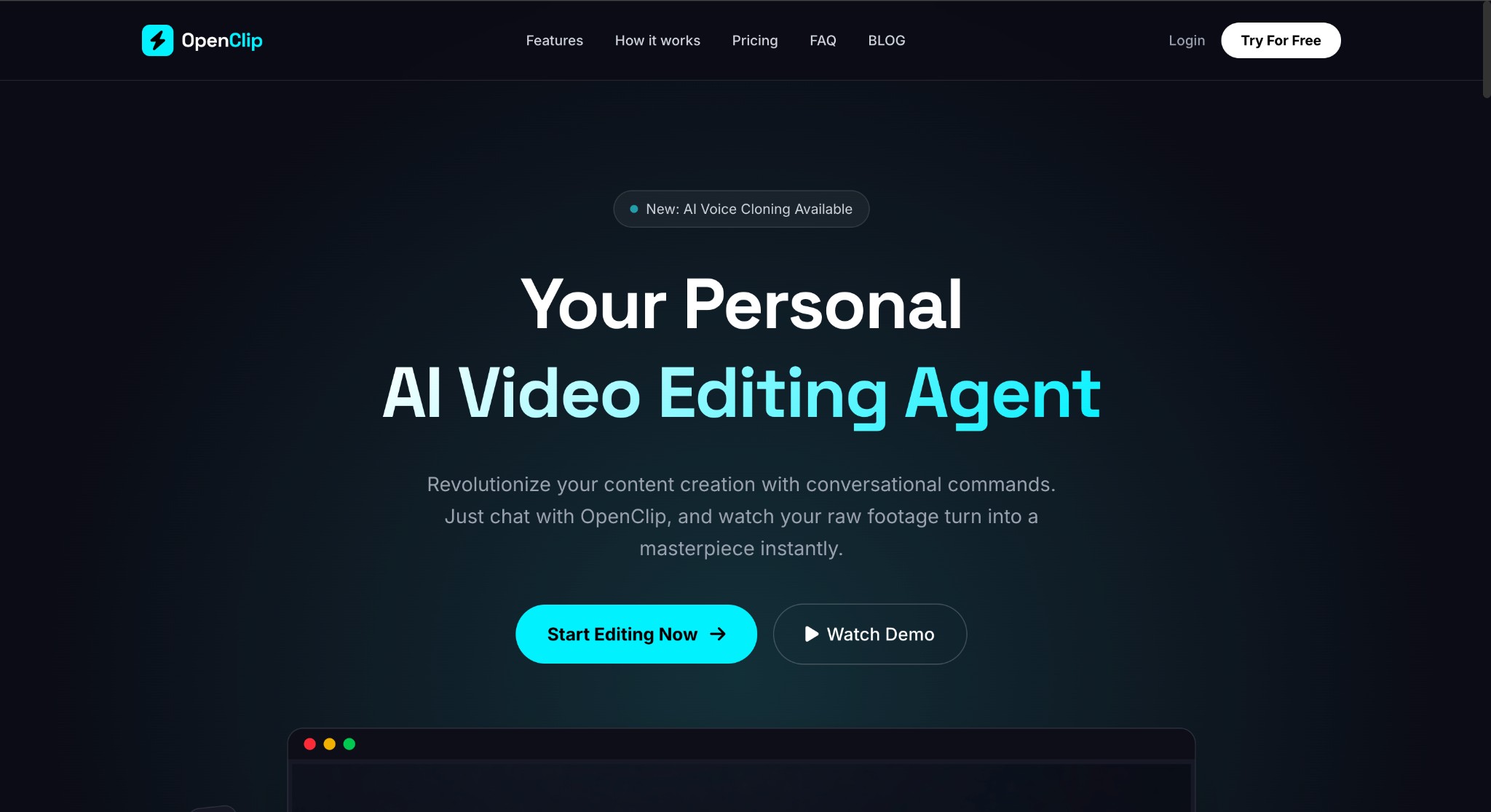
Auraclip introduces a conversational approach to video editing. The tool currently operates as an MVP (Minimum Viable Product). Users interact with the AI video agent through text conversation.
The agent completes initial rough cuts without manual timeline editing. It performs specific technical tasks automatically. Auraclip adds relevant B-roll and modifies backgrounds to suit the context.
5. Key Features of AI Tools for UGC
The primary feature of these tools is automated video creation. Software generates complete video files from text inputs. Scalability serves as a core advantage, producing hundreds of variations quickly.
These tools operate without human creators. This independence removes reliance on influencer schedules. The software includes editing capabilities to adjust pacing and visual elements for realistic results.
6. Crafting Authentic-Looking Videos with AI
Creating authenticity requires specific technical adjustments. AI tools generate backgrounds to look like living rooms or offices. This "messy" or "lived-in" aesthetic mimics real UGC better than studio settings.
Audio refinement plays a critical role. Tools add background noise or adjust voice modulation to prevent sterile audio. Adding B-roll overlays helps break up the visual pattern of the avatar.
7. Leveraging AI for Specific UGC Formats
AI tools adapt to various marketing needs. They generate dedicated AI-generated UGC ads for paid social campaigns. Marketers also use them for testimonials, where AI acts out scripts based on real reviews.
Product reviews and lifestyle clips are common formats. The AI demonstrates product benefits or discusses features. This versatility allows brands to fill their content calendars effectively.
8. Building Trust and Engagement with AI-Powered UGC
Relatable content drives engagement. AI-powered UGC produces visually appealing videos that fit social media norms. When an ad looks like a friend's post, users pause to watch.
Consistency builds trust over time. AI ensures a steady stream of content, helping brands maintain a presence. By delivering relevant messages through a relatable medium, companies increase interaction rates.
9. AI Video Generation for Marketing Campaigns
By 2026, AI video generation will be integral to marketing strategies. Ecommerce sectors rely heavily on this tech to produce influencer-style videos efficiently. This shift allows for hyper-targeted advertising.
"In 2026, AI video generation is becoming integral to marketing campaigns, especially in ecommerce, for producing influencer-style videos."
Campaigns require diverse assets. AI provides the necessary volume. Marketers test multiple hooks and visual styles simultaneously to optimize ad spend.
10. The Future of UGC-Style AI Video Ads
The evolution of UGC-style ads points toward total customization. AI plays a significant role in creating diverse content. Future tools will likely offer even greater control over nuance and delivery.
Audiences demand engaging video content. AI meets this demand by diversifying output and allowing for niche targeting. The focus remains on delivering value through a familiar, authentic format.
A Buyer's Guide to AI Video Generation Tools in 2026
Selecting an ai ugc video generator in 2026 requires technical scrutiny. Marketers must prioritize specific editing capabilities over generic generation speed. The right tool transforms raw scripts into market-ready assets.
What to Look For in an AI UGC Video Generator
Prioritize features like background modification and B-roll integration. These tools allow you to swap environments without reshooting. Conversational control remains critical for pacing.
| Feature Category | Basic Generators | Advanced Tools (2026) |
|---|---|---|
| Backgrounds | Static image overlays | Full video/3D environment swap |
| Editing | Text-prompt only | Granular B-roll integration |
| Control | Linear speech | Conversational pacing/tone |
Understanding the 'Authenticity' Spectrum
Viewers detect the "uncanny valley" instantly. Software must produce authentic-looking videos where lip-sync matches audio perfectly. For testimonials, the avatar needs accurate micro-expressions.
Scalability vs. Genuine Connection
Scalability drives ad volume, but connection drives sales. Use AI to produce 100 variations of a winning hook. However, retain human oversight for the core creative concept.
Cost-Effectiveness and ROI in 2026
Analyze pricing models by calculating the unit cost per asset. Subscription models often outperform credit-based systems for high-volume ecommerce. A lower unit cost directly improves the return on investment.
FAQ (Frequently Asked Questions)
Q1: How fast can an AI UGC video generator create content?
A1: Most tools generate initial video drafts in minutes. You simply input a script, select an avatar, and the AI renders the output. This is significantly faster than the days required for traditional human filming and editing.
Q2: Do AI videos look exactly like real human videos?
A2: Modern AI is very close but not perfect. While avatars mimic human gestures and speech well, subtle micro-expressions may still feel synthetic. Using "messy" backgrounds and B-roll helps mask these imperfections.
Q3: Is it expensive to use AI video tools?
A3: Generally, AI tools are cheaper than hiring actors and crews. Most operate on subscription models, lowering the cost per video significantly. This makes high-volume content production affordable for smaller brands.
Q4: Can I customize the AI avatar's appearance?
A4: Yes, most platforms offer a diverse library of avatars. You can usually select age, ethnicity, and clothing styles to match your target demographic. Some advanced tools even allow for custom avatar creation.
Conclusion
As we navigate 2026, AI acts as a transformative force for content creation. Utilizing a sophisticated ai ugc video generator enables businesses to unlock efficiency while producing relatable content. This integration is essential for brands looking to scale authentic storytelling.
To capitalize on this shift, begin by exploring specialized platforms to streamline your production. Actively experiment with various AI-driven formats to discover which styles resonate with your audience. Evaluating these results optimizes your campaigns for the perfect balance of automation and authenticity.
Ready to transform your marketing strategy? Start experimenting with AI video tools today to elevate your user-generated content. Sign up for a free trial with a leading generator and create your first video ad now.