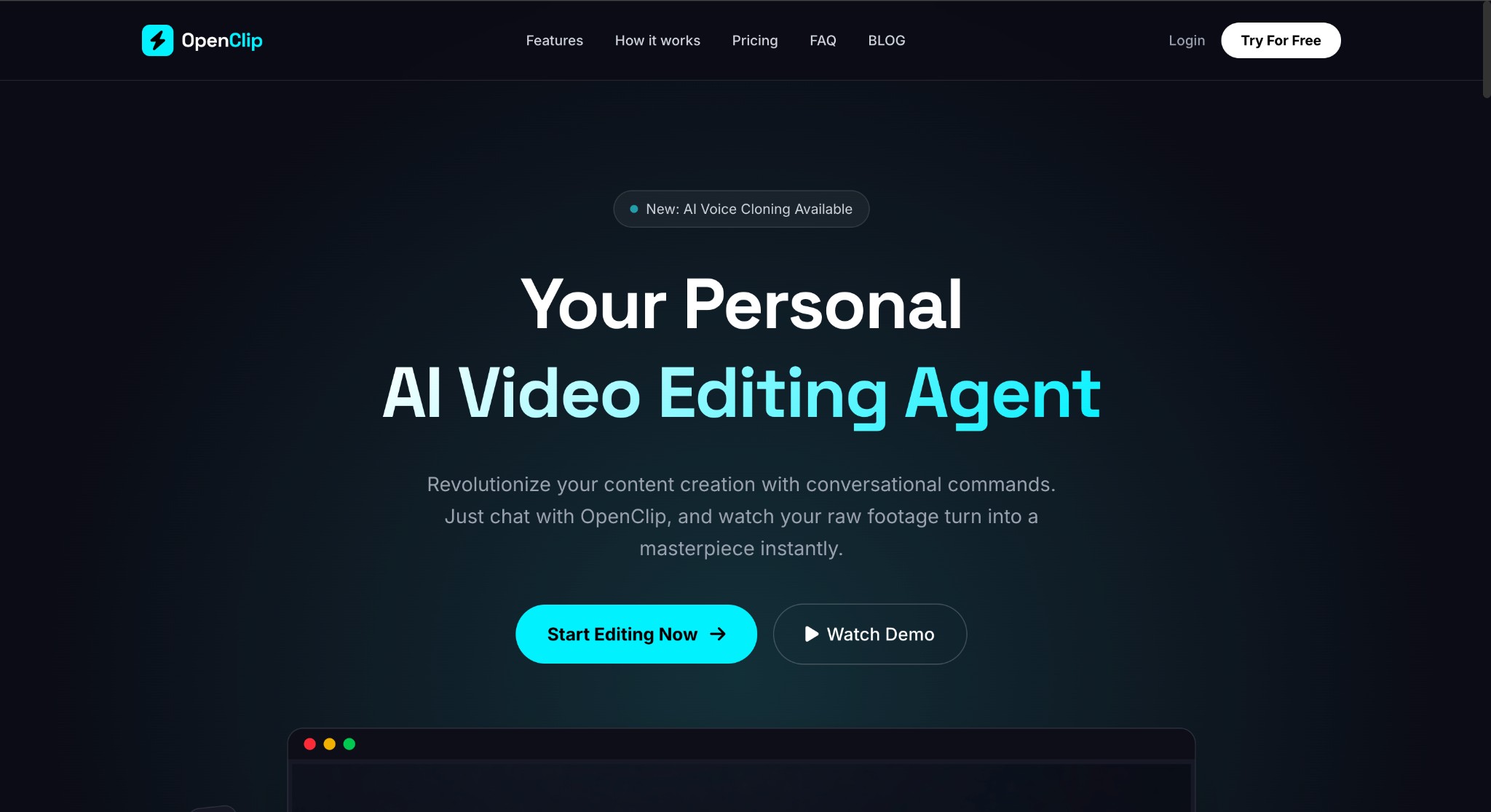

 Are you tired of spending countless hours tweaking sliders, only to end up with mismatched clips that ruin the flow of your story? Achieving cinematic consistency used to require expensive hardware and years of specialized expertise, but the post-production landscape has shifted dramatically in 2026. Today, stunning, professional-grade visuals are finally accessible to creators of all skill levels without the steep learning curve.
By leveraging a sophisticated AI video agent, you can banish the frustration of tedious manual adjustments from your editing process forever. These intelligent creative engines analyze your footage in real-time to apply precise auto color correction, ensuring perfectly balanced lighting and skin tones instantly. This revolutionary technology empowers you to focus entirely on your storytelling rather than getting bogged down by technical fixes.
In this guide, we will explore the cutting-edge AI solutions and techniques that are redefining how we approach video color grading. You will learn how to seamlessly integrate these powerful tools into your 2026 video editing software to enhance your content and streamline your workflow. Get ready to unlock the full potential of automation and transform your raw footage into a masterpiece.
The Rise of AI in Video Color Grading
Post-production teams face tight deadlines and high volume requirements. Editors traditionally spent hours manually balancing RGB curves and exposure levels. Artificial intelligence changes this dynamic. Machine learning algorithms now analyze footage pixel by pixel to establish neutral baselines. This technological shift reduces manual labor hours and ensures visual consistency across 4K and 8K timelines.
Understanding Automatic Color Correction Techniques
Legacy tools relied on static Lookup Tables (LUTs). These filters applied fixed values to every frame, ignoring lighting shifts. Modern auto color correction utilizes neural networks. These systems identify distinct elements like skin tones, foliage, and sky gradients. The software adjusts exposure, contrast, and white balance based on specific scene data rather than generic presets. It converts Log footage to Rec.709 standards instantly.
| Feature | Standard LUTs | AI-Powered Grading |
|---|---|---|
| Analysis Type | Static / Fixed | Dynamic / Pixel-Level |
| Context Awareness | None | Object & Scene Detection |
| Adjustment Speed | Manual Tweaking | Instant Generation |
| Skin Tone Handling | Global Masking | Isolated Optimization |
The Role of AI in Modern Video Editing Software
Non-Linear Editors (NLEs) now embed AI tools directly into the interface. Software detects scene cuts automatically. It matches color profiles between different camera sensors without manual input. Editors select a reference frame, and the system aligns the remaining clips to match that target. This functionality reduces shot-matching time by roughly 40% per project.
Note: AI tools process 10-bit color depth data faster than manual methods, ensuring band-free gradients.
AI Creative Engines and Workflows for 2026
Future post-production relies on the AI video agent. These intelligent agents process metadata to suggest grading styles based on genre. Creative engines automate technical conform tasks. This automation allows colorists to prioritize artistic look development. By 2026, systems will likely render complex, real-time grades during the initial footage ingest phase.
Top 5 AI-Powered Tools for Automatic Color Grading in 2026
Video production demands speed and precision. Editors in 2026 rely on automation to bypass tedious manual adjustments. New software solutions handle auto color correction instantly, analyzing pixel data to balance exposure and saturation. This list examines five platforms that transform raw footage into professional content through advanced algorithms and machine learning.
1. Fotor: One-Click Enhancements for Video
Fotor targets efficiency. Users upload media and apply a single filter for immediate results. The AI analyzes brightness levels and contrast ratios across the frame. It adjusts exposure without requiring manual manipulation of curves or color wheels. This simplifies rapid improvements for content creators.
While developers originally designed Fotor for static images, its batch processing capabilities apply to video frames. This allows for quick color adjustments in video footage. It reduces the time spent on basic corrections from hours to minutes. Social media managers use this for fast turnaround times on daily content.
2. Luminar Neo: Advanced AI for Studio-Quality Color
Luminar Neo provides granular control over visual elements. The software identifies specific components like sky, skin, and background foliage. Users adjust tone, color, and warmth using simple sliders. The AI maps the 3D depth of the scene to apply these changes accurately.
The Relight AI feature changes lighting sources in post-production. It mimics studio lighting setups without physical equipment. This enables professional-grade color correction for video content. Editors maintain intuitive control over the final look without needing complex node-based systems.
3. Claid.AI: Specialized Color Correction for Visuals
Claid.AI focuses on commercial accuracy. The system detects product colors and aligns them with standard hex codes. This ensures brand consistency across different media formats. It automatically adjusts hues within clips to match real-world reference points.
E-commerce teams use these robust color correction features for product videos. The AI balances white balance in mixed lighting conditions. It eliminates color casts caused by poor studio environments. This results in accurate product representation without manual masking or tracking.
4. LetsEnhance: Sharpening and Color Clarity
LetsEnhance targets pixel density and definition. Higher resolution directly impacts color perception. The AI upscales 1080p footage to 4K resolution. It sharpens edges and reduces artifacting that often muddies color data.
Clearer details allow for more precise grading. By fixing resolution first, the tool aids overall image clarity. This indirectly benefits color grading by providing a cleaner base for adjustments. It ensures that detail in video frames remains intact during the enhancement process.
5. Glif Workflows: Building Custom AI Agents for Grading
Glif Workflows offers a modular approach to automation. Users build a custom ai vdeo agent by connecting different AI models. You define specific grading rules and logic for the system to follow. This empowers users to design specialized solutions.
One node might analyze the mood, while another applies a specific Look Up Table (LUT). This automates complex, multi-step grading processes. It connects multimodal AI models to handle specific tasks. This flexibility allows for the creation of tailored automatic video color grading pipelines.
| Tool | Primary Function | Target User | Key Feature |
|---|---|---|---|
| Fotor | One-click enhancement | Social Media Managers | Instant brightness/contrast fix |
| Luminar Neo | Depth-based grading | Professional Editors | Relight AI & Tone control |
| Claid.AI | Commercial accuracy | E-commerce Teams | Hue adjustment & Hex matching |
| LetsEnhance | Resolution upscaling | Archivists / Editors | 4K upscaling & sharpening |
| Glif | Custom workflow building | Developers / Tech-savvy Creators | Multimodal AI model connection |
Integrating AI Agents into Your Post-Production Workflow
Post-production demands significant time for file management and technical adjustments. Editors often allocate hours to repetitive tasks like clip sorting and basic balancing. Integrating AI agents automates these mechanical steps. This technology frees creatives to focus on narrative structure and pacing rather than file organization.
Leveraging AI Agents for Efficiency
AI agents function as autonomous scripts within your non-linear editor (NLE). They handle metadata tagging and audio synchronization without human intervention. This automation removes the need for manual bin organization. Agents execute background processes to prepare timelines before the editor sits down.
| Feature | Traditional Workflow | AI Agent Workflow |
|---|---|---|
| Clip Sorting | Manual drag-and-drop | Automated metadata grouping |
| Audio Sync | Manual waveform matching | Instant batch synchronization |
| Error Detection | Human visual review | Automated parameter scanning |
| Time Cost | High (Hours/Days) | Low (Minutes) |
The Video Researcher Agent and its Potential
The Video Researcher Agent serves a specific analytical role. It scans hours of footage to extract technical data. The agent logs ISO, shutter angle, and white balance variations across all files.
It identifies clips that deviate from the project's visual standard. This data allows editors to isolate problematic shots immediately. Instead of scrubbing through timelines to find exposure errors, the agent provides a report of technical inconsistencies.
Streamlining Color Grading with AI Automation
Combining an ai vdeo agent with editing tools enhances the grading process. The agent analyzes the log data provided during the research phase. The system then executes auto color correction by normalizing exposure and white balance across the timeline.
It applies technical LUTs based on the specific camera sensor used. This process establishes a neutral baseline instantly. Editors step in only for final creative stylization, as the agent handles the primary balancing. This integration ensures technical accuracy across every frame.
Choosing the Right AI Video Color Grading Solution in 2026
Selecting an AI video agent in 2026 requires analyzing technical compatibility. Editors need tools that fit existing pipelines rather than disrupting them. The market offers various solutions for auto color correction, ranging from integrated enterprise suites to browser-based applications.
Factors to Consider for Creative Industries
Creative professionals prioritize software integration. An AI video agent must connect directly with NLEs like Premiere Pro or DaVinci Resolve via OFX plugins. Standalone apps often create file management friction and slow down transfer rates.
Look for suites offering noise reduction, stabilization, and grading in one interface. The system must process 4K or 8K footage without significant latency. Complex AI workflows demand GPU utilization rather than CPU dependency to maintain playback speed.
Budget-Friendly AI Options
Fotor and Claid.AI provide effective automatic color correction techniques for constrained budgets. These platforms use cloud processing to reduce local hardware costs. Users access standard grading features without high monthly enterprise fees.
| Feature | Fotor | Claid.AI |
|---|---|---|
| Primary Focus | General Media Enhancement | Product/Commercial Imaging |
| Deployment | Web/Mobile App | API/Web Interface |
| Pricing Model | Monthly Subscription | Pay-per-credit/Subscription |
| Processing | Cloud Server | Cloud Server |
Scalability and Future-Proofing
Scalability ensures the software grows with project demands. Solutions must support evolving multimodal AI models. As creative engines update, the tool should accept new parameters without requiring a full system replacement.
This adaptability prevents technical obsolescence. Buyers should verify the vendor's roadmap for supporting next-generation codecs and text-to-color prompt capabilities. Adapting to future advancements ensures long-term utility for the studio.
FAQ (Frequently Asked Questions)
Q1: What is AI video color grading?
A1: It's using artificial intelligence to automatically adjust and balance the colors, exposure, and white balance in video footage, creating a consistent and professional look without manual effort.
Q2: How does an AI video agent improve my workflow?
A2: An AI video agent automates tedious tasks like clip sorting, audio syncing, and basic color correction, freeing up your time to focus on creative aspects of storytelling and editing.
Q3: Can AI color correction replace a professional colorist?
A3: AI excels at technical correction and consistency, but a professional colorist still brings artistic vision and nuanced creative choices that AI cannot fully replicate. It's a powerful assistive tool.
Q4: Which AI tools are best for beginners?
A4: Tools like Fotor offer one-click enhancements that are user-friendly for those new to video editing and color correction. They provide immediate, noticeable improvements.
Q5: Is AI video color grading suitable for all types of video projects?
A5: Yes, AI is beneficial for various projects, from social media content and e-commerce videos to larger film and documentary productions, by saving time and ensuring visual quality.
Conclusion
In 2026, artificial intelligence has transformed from a futuristic concept into an essential practical tool for modern filmmakers. By leveraging advanced tools for auto color correction, creators can now refine their post-production workflow to achieve stunning, cinematic visual results effortlessly. Integrating a dedicated AI video agent ensures that every frame meets professional standards without the tedious manual labor of the past.
To stay ahead, start by exploring the specific AI-powered editing tools mentioned to completely automate your video editing processes. You should specifically look into platforms like Glif Workflows to build custom AI agents tailored to your unique project needs. Experimenting with these intelligent engines allows you to customize your creative pipeline and significantly reduce your overall editing time.
Embrace the immense power of AI in 2026 to elevate your video content with effortless, professional color grading. Don't hesitate to integrate these innovative workflows into your creative process today to secure a distinct competitive edge. Start building your automated future now and watch your production quality soar instantly to new, impressive heights.