Why Standard "Article to Video" AI Tools Kill Engagement in 2026

It is 2026, and sophisticated audiences have developed a sharp sixth sense for ignoring generic, robotic content. If you are still relying on fully automated, "set it and forget it" tools to churn out marketing assets, you are likely watching your engagement metrics freefall. The era of successfully slapping random stock footage over a monotone synthetic voiceover is officially dead.
While the underlying technology has advanced, standard article to video ai converters still tend to strip away the unique personality that made your original writing effective. Modern viewers demand authenticity and emotional depth, not just a superficial visual summary generated in seconds. Relying solely on these basic tools creates a jarring disconnect that kills trust and drives potential customers away.
Fortunately, you can still repurpose content efficiently without sacrificing the human touch that converts. This article reveals a superior hybrid strategy that leverages AI for structure and editing while prioritizing human narration to ensure genuine connection. Read on to discover how to transform your written work into deeply engaging video content that actually retains attention.
The Problem with Standard Article-to-Video AI Tools in 2026
Viewers in 2026 demand high-quality, authentic media. However, many standard article to video ai tools deliver mechanical results. Algorithms often prioritize processing speed over narrative nuance. This creates a noticeable gap between audience expectation and technical output.
The following sections analyze specific limitations found in current automated solutions.
1. AI-Powered Blog-to-Video Sites: The Generic Approach
Many platforms rely on basic keyword matching algorithms. The software scans text and pulls corresponding stock footage from a database. This results in repetitive visuals that miss the article's unique voice. Viewers disengage when the visual track fails to match the specific emotional depth of the original written content.
2. Synthesia: Lacking Human Authenticity
Synthesia utilizes pre-set digital avatars to deliver content. While the lip-syncing technology functions correctly, these figures often lack natural micro-expressions. The delivery appears programmed and robotic. In 2026, discerning audiences identify this artificiality immediately. The absence of genuine human connection prevents the message from resonating with the viewer.
3. Pictory AI: Generic Visual Storytelling
Pictory AI converts text to video rapidly. It excels at processing speed. However, without human oversight, the visual storytelling suffers. The AI selects clips based on metadata tags rather than narrative context. This creates a disjointed flow. The resulting videos often lack the emotional resonance required to retain audience attention.
| Tool | Primary Mechanism | 2026 Limitation | Output Style |
|---|---|---|---|
| Synthesia | Digital Avatars | Lacks micro-expressions | Robotic presentation |
| Pictory AI | Stock Matching | Ignores narrative context | Disjointed clips |
| Vidyo.ai | Clip Extraction | Misses full structure | Fragmented snippets |
| Narrato | Template Engine | Restricts creativity | Basic slideshows |
4. Vidyo.ai: Disconnected Video Snippets
Vidyo.ai targets social media repurposing. Its algorithms identify viral moments in existing long-form video. It is not designed to construct cohesive narratives from written articles. Using it for article to video ai conversion results in disconnected snippets. The tool fails to build the structured story arc necessary for article adaptation.
5. ContentIn: Simplistic Video Output
ContentIn produces video output with a focus on simplicity. It relies heavily on static stock imagery and basic text overlays. This format struggles to hold attention against sophisticated 2026 media standards. The output often resembles a moving flyer rather than engaging video content. It lacks the dynamic elements needed to stand out.
6. TRIKL: Limited Narrative Conveyance
TRIKL emphasizes visual engagement through AI generation. The tool generates high-resolution imagery. Yet, it struggles to convey complex narratives. The AI prioritizes aesthetic composition over storytelling logic. Without strong creative direction, the videos fail to communicate intricate ideas effectively. The visuals look polished but do not support the argument.
7. Narrato: Basic Slideshows and Templated Presentations
Narrato functions primarily through pre-defined templates. Its capabilities often result in basic slideshows. The software restricts users to rigid layouts. This approach falls short of the creative direction required in 2026. Audiences expect custom motion graphics, not templated presentations that feel mass-produced.
Standard AI tools provide speed but sacrifice depth. They automate processes rather than innovate storytelling. To succeed in 2026, creators must move beyond basic automation. Combining AI efficiency with human creative direction remains the only path to authentic engagement.
The New High-Conversion Strategy: Human-AI Collaboration
Modern content creation demands both speed and authenticity. Purely synthetic videos often lack connection, while manual production consumes excessive time. A hybrid approach solves this friction. By integrating article to video ai workflows with real human input, creators maximize efficiency. This strategy leverages the distinct strengths of biological creativity and artificial processing power.
1. AI-Powered Article Summarization
Long-form text contains valuable data but requires time to consume. AI algorithms process these articles instantly. The software extracts core arguments and technical details without diluting the message.
This process preserves the original depth while converting dense text into concise video scripts. The AI identifies key themes, ensuring the final output aligns strictly with the source material.
2. Human Narration and B-roll
AI handles the structure, but humans build trust. A real person records the narration. The creator captures specific B-roll footage to visually support the script. This visual evidence verifies the claims made in the video.
Viewers respond to real voices and physical demonstrations. This human element increases engagement rates compared to synthetic avatars. It establishes authority and creates a tangible connection with the audience that fully automated content often misses.
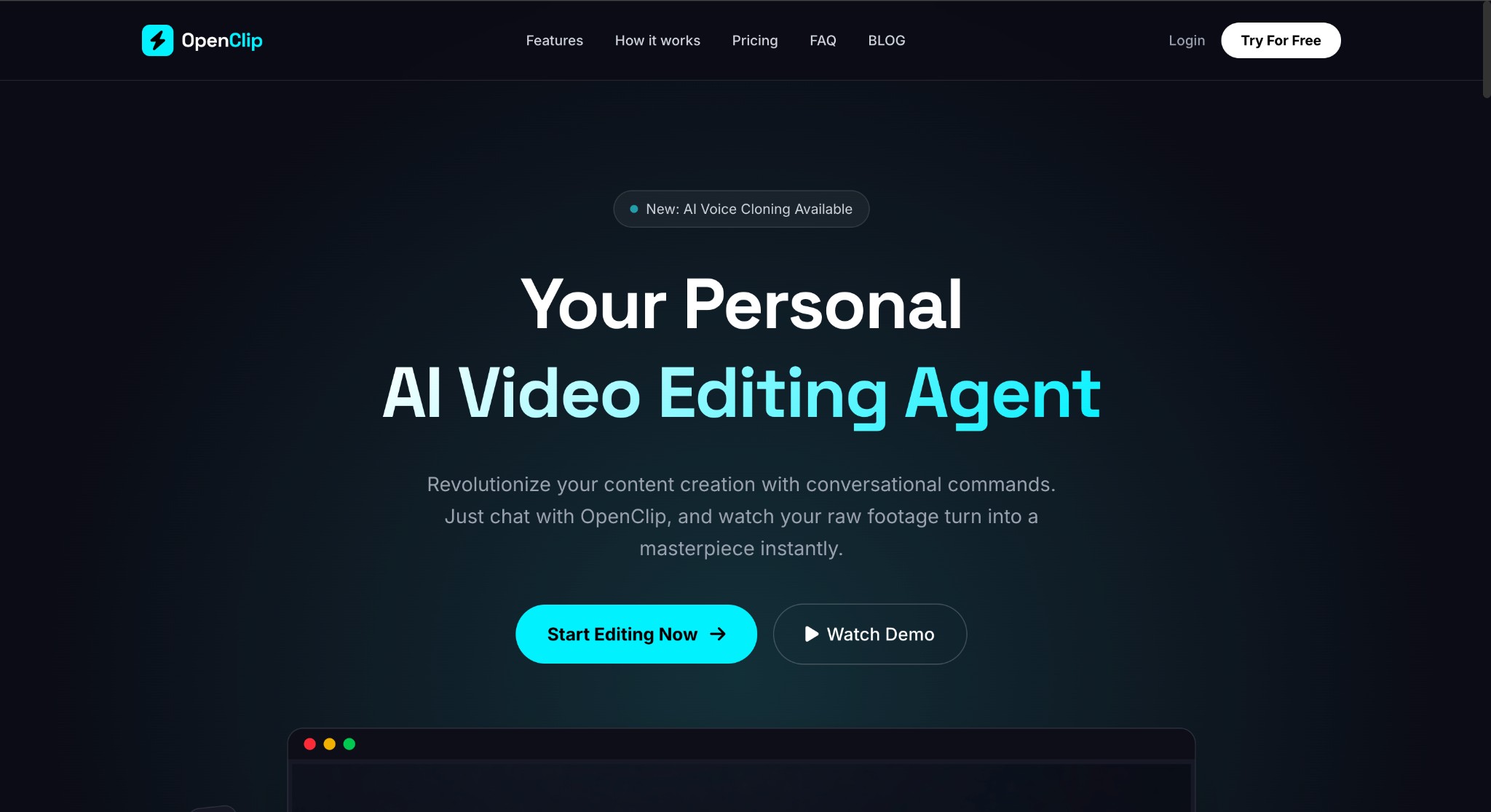
3. AI Agent for Seamless Editing (Auraclip)
Post-production traditionally creates the biggest bottleneck. AI agents like Auraclip automate this phase entirely. The software detects and cuts silent pauses instantly. It generates accurate subtitles and syncs background music to the narration's pacing. This automation makes editing as fast as the initial generation.
| Feature | Manual Editing | AI Agent (Auraclip) |
|---|---|---|
| Silence Removal | Manual cutting (Time-heavy) | Auto-detection (Instant) |
| Subtitling | Manual transcription | Auto-generation |
| Music Sync | Manual beat matching | Auto-pacing adjustment |
| Production Time | Hours per video | Minutes per video |
This workflow transforms production speed. Creators produce high-quality videos at the pace of AI generation but retain human authenticity. Adopting this hybrid model ensures higher conversion rates and sustains viewer trust through genuine presentation.
Why This Hybrid Approach Wins in 2026
Content creators in 2026 prioritize efficiency and trust. The hybrid model merges automation with human oversight. By utilizing article to video ai, teams convert text into visual formats without losing the original message. This strategy balances technical precision with narrative flow.
Retaining Article Depth and Nuance
AI summarization extracts core data points first. This preserves the logic of the source text. The video retains the detailed information found in the written article. It ensures the final output delivers value rather than just generic visuals. The system translates complex text structures into clear visual sequences.
Building Authentic Human Connection
Viewers trust real voices. Synthetic audio often lowers engagement rates. Including human narration or presenter footage establishes credibility. This approach creates a relatable experience. It outperforms purely algorithmic content in building audience loyalty.
Achieving Editing Speed and Efficiency
AI tools handle the technical workload. They automate cutting, captioning, and asset matching. This reduces production time significantly. Creators focus on strategy rather than timeline management. This efficiency allows teams to scale video marketing efforts effectively.
| Metric | Traditional Editing | Hybrid AI Approach |
|---|---|---|
| Production Time | 4-8 Hours | 15-30 Minutes |
| Scalability | 1-2 Videos/Week | Daily Uploads |
| Resource Load | High Labor Input | Software Automation |
Adopting this workflow enables rapid scaling. Marketers produce polished videos with minimal friction. This method secures a competitive advantage in a crowded digital landscape.
FAQ (Frequently Asked Questions)
Q1: What makes traditional article-to-video AI tools fail in 2026?
A1: Traditional tools rely on generic stock footage and synthesized voice-overs, producing robotic content. Audiences perceive this as low-quality, leading to poor engagement.
Q2: How can AI assist in creating more engaging videos from articles?
A2: AI acts as a structural assistant, summarizing articles and identifying key points. It suggests visuals, laying the groundwork for compelling content without removing human creativity.
Q3: Is it possible to transform articles into videos without sounding robotic?
A3: Yes, by using human narration. A real person's voice captures natural tone and emotional delivery, which current AI models struggle to replicate accurately.
Q4: What are the benefits of using a real person for video narration?
A4: Real narration establishes authentic connection and builds trust. Viewers relate to a recognizable voice and face, making content more memorable and relatable.
Q5: How fast can the new AI-powered editing process be?
A5: New workflows match AI generation speed. Tools like Auraclip automate editing, removing silences and generating subtitles in minutes, drastically reducing production time.
Conclusion
Combining AI efficiency with human delivery solves common quality issues. This hybrid approach ensures high production speed while maintaining the authenticity audiences demand.
As we navigate the content landscape of 2026, it is clear that relying solely on generic automation is a strategy of the past. While standard article to video ai tools often result in disengaged audiences due to robotic outputs, the core concept remains essential for digital growth. The key is evolving beyond stock assets to create content that truly resonates with your target audience.
To stay ahead, adopt a hybrid strategy that blends the efficiency of artificial intelligence with authentic human connection. Start by using AI for rapid summarization and advanced editing, but strictly integrate real human narration and custom B-roll to build genuine trust. This balanced approach ensures your message is both scalable and deeply engaging for your viewers.
Now is the perfect time to elevate your marketing efforts and experiment with this sophisticated new workflow. If you are ready to transform your articles into engaging videos that convert, explore AI Agent solutions like Auraclip today. Redefine your content repurposing strategy and watch your audience engagement soar to new heights.