
Why AI-Powered Video Overlays Elevate Viewer Interaction
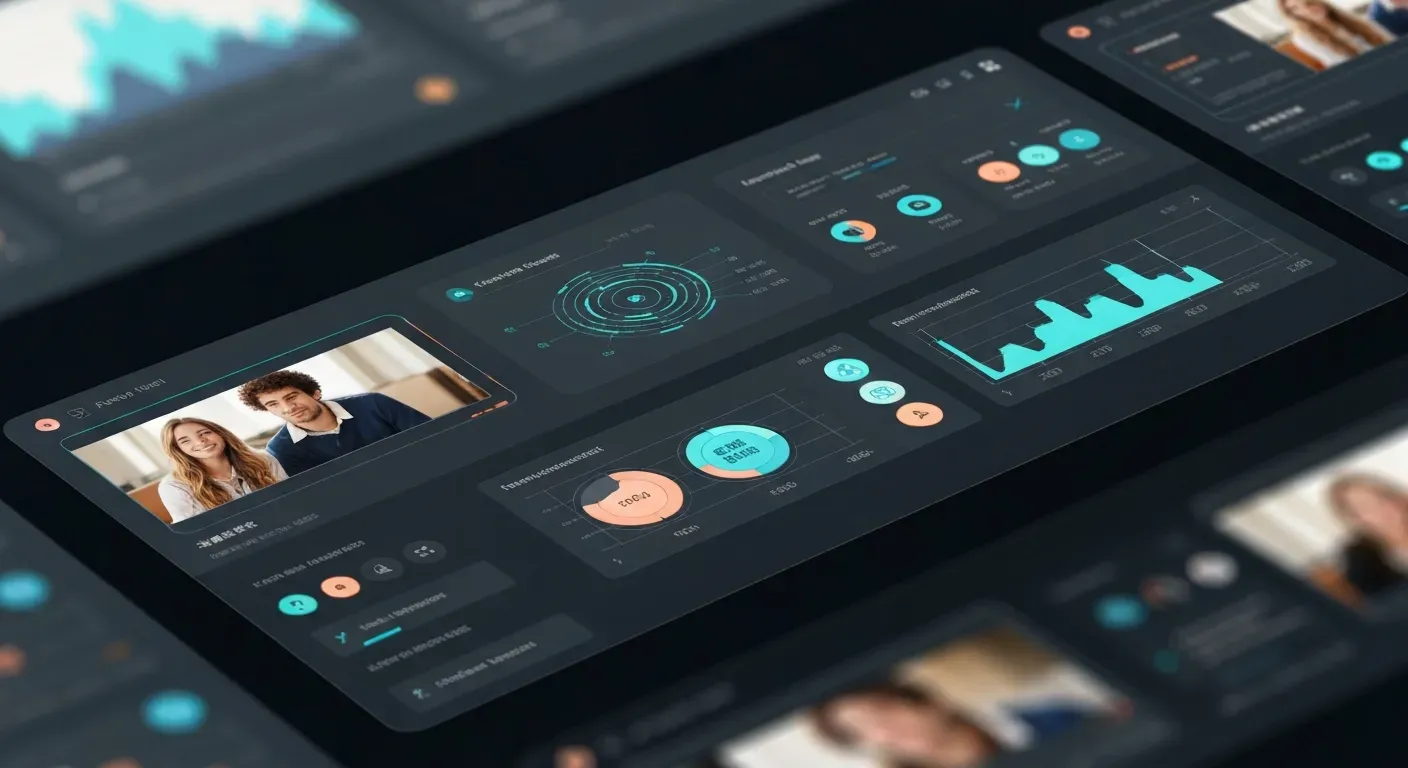
In the hyper-competitive digital landscape of 2026, capturing viewer attention is challenging. Static videos are becoming relics as audiences demand immersive experiences. You risk losing engagement to competitors if you don't adapt.
This is where the transformative capability of an AI-powered video overlay steps in. This technology layers live data onto video. It turns watching into doing. Smart overlays make sure people pay attention to your message.
We will delve into AI transcription, dynamic visual tools, and clickable elements. You will learn how to create high-impact content that enhances user interaction. Prepare to elevate your video strategy and connect with your audience today.
The Crucial Role of AI-Powered Video Overlays in 2026
In 2026, static video content fails to hold viewer attention. Creators now deploy the AI-powered video overlay to insert contextual data directly into frames. These overlays provide dynamic elements that shift based on on-screen content.
This technology is more than text boxes. It puts live information right in the video. Viewers get important details. They don't leave the video to find them.
Understanding AI-Powered Video Overlays
Old overlays use set times. They are placed by hand. AI tools look at video. They make overlays by themselves. They show facts. These facts match the video.
This automation saves creators time. It also makes their content more relevant.
| Feature | Traditional Overlay | AI-Powered Video Overlay |
|---|---|---|
| Content Type | Static Text/Images | Dynamic/Contextual Elements |
| Trigger Mechanism | Fixed Timeline | Viewer Behavior/Video Context |
| Creator Input | Manual Editing | Automated Generation |
| Interactivity | None (Passive) | High (Active Response) |
The Evolution of Viewer Interaction in 2026
The 2026 digital landscape demands interactivity. Audiences reject passive viewing experiences. AI video tools enable creators to build responsive environments that adapt to viewer behavior.
For example, if a viewer pauses the video, the overlay can present specific product details. This responsiveness maintains viewer focus and reduces drop-off rates.
Auraclip: Revolutionizing Video Creation with AI
Auraclip operates as an AI video agent currently in its MVP stage. This tool empowers users to generate rough cuts through conversation alone. Users simply type instructions, and Auraclip executes complex edits.
Its capabilities include adding B-roll footage and modifying backgrounds instantly. Users can also command the AI to change music tracks to fit the video's pacing. Auraclip functions as a comprehensive solution for generating content efficiently.
Top 5 AI-Powered Video Overlay Strategies for 2026
Video content consumption evolves rapidly. By 2026, creators must use specific strategies to capture attention. An AI-powered video overlay transforms standard footage into data-rich experiences.
These tools add context and interactivity directly onto the screen. This section outlines five methods to maximize viewer retention and utility.
1. AI Transcription Overlays for Enhanced Understanding
Viewers watch content in various environments, often without sound. AI transcription overlays generate real-time captions. This feature ensures accessibility for the hearing impaired and aids viewers in noisy settings.
Automated translation expands this utility further. A single video stream becomes understandable to international audiences instantly. This approach removes language barriers without requiring separate video files.
2. Dynamic Video Tools for Real-time Insights
Dynamic video tools integrate live data streams directly into the visual feed. For product demonstration videos, this means displaying specifications alongside the physical item. Viewers see price updates or stock levels immediately.
In sports, these overlays present speed, heart rate, or distance. The audience gains immediate context. This strategy eliminates the need for post-production editing to add static graphics.
3. Interactive Elements for Deeper Engagement
Passive viewing shifts to active participation with interactive elements. Clickable overlays allow direct purchases or newsletter signups within the video frame. Calls to action (CTAs) appear at specific timestamps to drive behavior.
This method drastically shortens the customer journey. Users click a product hotspot and proceed to checkout. Interactive video marketing data suggests this boosts conversion rates significantly.
| Feature | Passive Video | Interactive Video |
|---|---|---|
| Viewer Action | Watch and listen | Click, answer, purchase |
| Engagement Type | Linear consumption | Active participation |
| Conversion Path | External description links | Direct in-video overlay |
| Data Collection | View count only | Click-throughs & choices |
4. AI Voiceovers and Translations for Global Reach
Reaching a global audience requires linguistic versatility. AI video tools now offer automated voiceovers in over 140 languages. Creators upload a script, and the system generates a synchronized dubbed version.
This ensures the message resonates across borders. Students and customers receive content in their native tongue. It maintains the original video's visual timing while adapting the audio layer.
5. AI-Generated Reflection Questions for Education
Educational content benefits significantly from active recall. AI-generated reflection questions pause the video at key moments. These prompts force viewers to think critically about the material just presented.
This technique improves information retention. Students answer quizzes before proceeding, transforming a lecture into a two-way learning channel. Educators can track responses to gauge understanding levels effectively.
Implementing an AI-powered video overlay strategy defines success in 2026. These tools prioritize accessibility, interactivity, and global scale. Creators who adopt these technologies deliver clearer, more engaging content.
Leveraging Auraclip for High-Impact Content in 2026
Video production in 2026 demands speed and precision. Auraclip uses an AI video agent to simplify the creation process. Users generate initial rough cuts through direct conversation.
This approach makes advanced editing accessible, even for MVP stage tools. Creators bypass complex timelines and start with a structured base.
Auraclip's AI Video Agent in Action
The agent converts user prompts into video sequences. You describe the desired outcome, and the system assembles the clips. This process integrates an AI-powered video overlay to align visuals with audio cues.
Streamlining Production with Conversational AI
Conversational commands control specific elements. Users modify or generate backgrounds without leaving the editor. Adding B-roll takes seconds via voice or text inputs.
This reduction in manual tasks lets creators focus on the message rather than technical execution.
| Feature | Traditional Workflow | Auraclip Workflow |
|---|---|---|
| Rough Cuts | Manual timeline assembly | Conversational generation |
| Backgrounds | External sourcing and masking | Generative modification |
| B-Roll | Manual search and placement | Command-based insertion |
Enhancing Videos with Auraclip's AI Features
Auraclip includes tools for final polish. The suite offers music adjustments that sync to video pacing. Background modifications refine the visual setting.
FAQ (Frequently Asked Questions)
Q1: What is an AI-powered video overlay?
A1: It is a technology that uses artificial intelligence to automatically superimpose dynamic, contextual elements onto video footage. These overlays adapt in real-time to the video content or viewer behavior, enhancing interactivity and engagement.
Q2: How do AI overlays improve viewer retention?
A2: They transform passive viewing into an active experience by providing clickable elements and real-time data. This interactivity keeps viewers focused on the screen. Relevant information appears exactly when needed, preventing users from clicking away to search for details.
Q3: Can I use AI video overlays for educational content?
A3: Yes, they are highly effective for education. Features like AI-generated reflection questions pause videos to test understanding. Real-time transcription and translation also make learning materials accessible to a wider, global student base.
Q4: Is Auraclip suitable for beginners?
A4: Absolutely. Auraclip allows users to create videos using simple conversational text prompts. Its AI agent handles complex editing tasks like cutting clips and adding B-roll. This makes high-quality video production accessible without advanced technical skills.
Q5: Do AI overlays work on mobile devices?
A5: Most modern AI overlay tools are designed to be responsive across all devices. They automatically adjust the layout and size of interactive elements to fit mobile screens. This ensures a seamless user experience for viewers on smartphones and tablets.
Conclusion
In the fast-paced digital landscape of 2026, an AI-powered video overlay is a cornerstone of successful marketing. These intelligent tools have revolutionized how creators connect with audiences. Embracing this technology ensures your content remains impactful in a competitive environment.
To stay ahead, integrate advanced tools like Auraclip to streamline your production workflow immediately. Implementing AI transcription overlays is essential for maximizing accessibility. Dynamic elements keep your viewers hooked from start to finish.
Now is the time to transform your video strategy and unlock your digital potential. Don't wait to elevate viewer interaction; harness the power of intelligent automation today. Start using AI overlays now to deliver the immersive experiences your audience demands.