
Automated Video Editing: How AI Is Transforming Modern Video Workflows in 2026
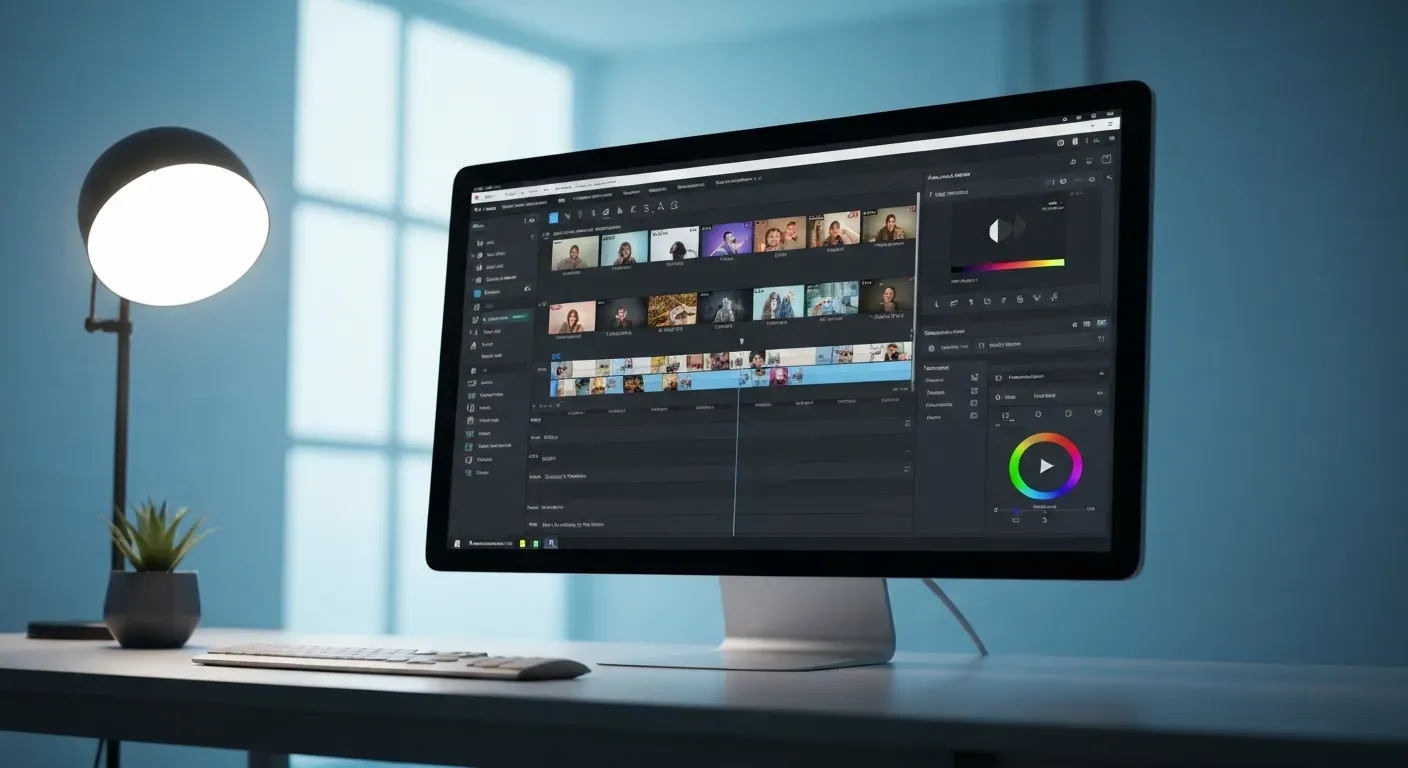
In the relentless digital current of 2026, are your video projects drowning in tedious manual edits? The demand for captivating visual content is skyrocketing, yet traditional workflows often leave you struggling to keep pace, creating frustrating bottlenecks. It's time to rethink how you bring your stories to life.
This is where the power of automated video editing steps in, poised to revolutionize your entire production process. Forget the days of endless timeline scrubbing; AI is ushering in an era of unprecedented efficiency and creative freedom for creators, marketers, and agencies alike.
Join us as we explore this transformative technology, dissecting what true automated video editing looks like, comparing essential workflow approaches, and unveiling the exciting future of AI video agents. Discover how you can leverage these advancements to streamline your output and elevate your content strategy.
The Evolution of Video Workflows in 2026
This section focuses on "The Evolution of Video Workflows in 2026". Evidence suggests: We'll derive key insights and offer actionable guidance for the target market.
Why Traditional Video Editing Workflows Don’t Scale
Traditional video editing in 2026 often involves time-consuming manual processes. This makes it difficult to meet the escalating demand for content, especially for social media. Bottlenecks form in content creation and video processing, limiting output for businesses and individuals alike.
What Automated Video Editing Really Means (Beyond Auto-Cuts)
Automated video editing in 2026 goes beyond simple auto-cuts. It leverages deep learning algorithms for sophisticated tasks like scene selection, intelligent transitions, and audio enhancement. It can even assist with narrative structuring, all powered by AI video editing. This technology analyzes footage to identify key moments and themes.
Timeline-First vs. AI-First Workflow Comparison
The shift from timeline-first to AI-first workflows in 2026 is significant. Timeline-first editing prioritizes manual adjustments on a visual timeline. AI-first workflows prioritize AI's ability to analyze and assemble footage automatically. This drastically accelerates editing and reduces repetitive tasks, a key aspect of workflow automation.
| Workflow Type | Primary Focus | Speed | Skill Requirement | Output Consistency |
|---|---|---|---|---|
| Timeline-First | Manual control | Slower | High | Variable |
| AI-First | AI analysis | Faster | Moderate | High |
How Automated Editing Helps Creators, Marketers, and Agencies Scale
Automated editing software empowers creators, marketers, and agencies in 2026. It helps them scale their output by handling large volumes of footage efficiently, enabling faster turnaround times and increased content production automation. Businesses can produce more content with fewer resources.
The Rise of AI Video Agents and Conversational Editing
The emergence of AI video agents in 2026 signifies a new era: conversational editing. Users instruct AI editors through natural language, allowing for complex editing functions via spoken or typed commands. This further enhances AI-assisted video creation.
Practical Example of an AI-Driven Production Workflow
An AI-driven production workflow in 2026 might start with AI transcription. The AI automatically transcribes footage, identifying key moments. It then generates rough cuts and suggests edits, streamlining the entire video processing pipeline. The human editor then refines the AI's output.
How Platforms Like AuraClip Approach Automated Video Editing Differently
Platforms like AuraClip in 2026 differentiate themselves in automated video editing by focusing on specific AI-powered features. AuraClip offers unique user interfaces catering to niche needs and provides conversational editing capabilities. The platform aims to simplify the automated video editing process for new users, emphasizing ease of use and offering generous pricing for new users. AuraClip's AI-driven workflow prioritizes simplicity.
Future Trends of Automated Video Production
Future trends in automated video production in 2026 point towards more sophisticated AI capabilities. This includes predictive editing, where AI anticipates user needs, and fully autonomous content generation. Seamless integration with immersive media formats will push content creation boundaries. The future of automated video editing is highly dynamic.
Key AI-Powered Automated Editing Software and Tools in 2026
The landscape of video production undergoes rapid transformation in 2026, driven by advanced Artificial Intelligence. Automated video editing, once a nascent concept, now forms the bedrock of efficient content creation. AI empowers creators to streamline workflows, enhance narrative impact, and produce higher volumes of polished video content. This evolution centers on leveraging AI for tasks ranging from initial footage analysis to final output rendering. The integration of AI signifies a shift towards more collaborative and intelligent editing environments.
AI-Powered Automated Video Editing and Storytelling
AI-powered automated video editing and storytelling in 2026 involves leveraging advanced AI to automate the entire process. This includes scene selection, transition application, audio adjustments, and narrative construction. Techniques like computer vision analyze visual content, while natural language processing understands script elements or spoken dialogue. This allows AI to identify key moments, suggest optimal sequences, and even construct a coherent storyline, accelerating the production cycle significantly.
This technology analyzes footage at a granular level, identifying subject matter, action, and emotional tone. For instance, AI can detect faces, recognize specific objects, and understand spoken keywords within dialogue. Based on this analysis, it proposes edits, cuts, and transitions that align with storytelling goals. This makes the initial stages of editing far less labor-intensive. The focus shifts from manual manipulation to strategic oversight of AI-generated suggestions.
Adobe Premiere Pro
Adobe Premiere Pro in 2026 integrates robust AI features for automated video editing. These capabilities include automated color grading, scene detection, intelligent audio editing, and auto-reframing, significantly enhancing video production automation. The software uses AI to analyze footage and apply consistent color palettes or adjust audio levels dynamically. Auto-reframing ensures content fits various aspect ratios without manual cropping.
Premiere Pro's AI tools accelerate editing by automating repetitive tasks. For example, scene detection breaks down footage into logical segments, allowing for quicker review and selection. Intelligent audio editing can automatically reduce background noise or balance dialogue levels, freeing up editors to focus on creative decisions. The platform's AI assists in creating more polished final products with less manual effort.
DaVinci Resolve
DaVinci Resolve in 2026 offers sophisticated AI capabilities for complex video manipulation. These include facial recognition, object removal, and advanced motion tracking, making powerful tools available for intricate post-production tasks. AI-driven object removal can seamlessly erase unwanted elements from shots. Motion tracking allows for precise attachment of effects or graphics to moving subjects.
These AI features make DaVinci Resolve a powerful tool for AI-assisted video creation. Facial recognition can help organize footage by identifying different individuals, aiding in quickly locating specific scenes or performances. The platform's AI accelerates demanding visual effects work, enabling creators to achieve professional-grade results more efficiently.
Lightworks
Lightworks in 2026 incorporates AI-driven features to streamline narrative crafting. These include voice recognition editing and VR/AR capabilities. The software also supports cloud collaboration, enhancing team-based workflows. Voice recognition editing allows editors to control the software using spoken commands, offering an intuitive way to navigate timelines and perform edits.
The integration of VR/AR capabilities positions Lightworks for emerging content formats. AI assists in managing the complexities of immersive media production. Cloud collaboration ensures teams can work together seamlessly, regardless of location, making Lightworks a comprehensive solution for advanced video editing that supports diverse and evolving project requirements.
AI-Assisted Video Editing Software Solutions
AI-assisted video editing software in 2026 focuses on automating repetitive tasks and providing intelligent suggestions. These solutions employ AI for scene detection, shot selection, trimming, stabilization, and color correction, with the primary goal of boosting efficiency for creators. AI analyzes raw footage to identify the best takes or most compelling moments.
These tools simplify complex editing processes. For example, AI-powered stabilization corrects shaky footage automatically, and color correction AI can suggest or apply adjustments to achieve a desired look. This frees up editors from mundane tasks, allowing them to dedicate more time to creative storytelling and refining the final output.
AI Video Generator Tools
AI video generator tools in 2026 use AI to analyze footage and suggest optimal sequences. They create engaging storylines, often based on templates, making them ideal for rapid content creation and social media content. AI analyzes existing assets or user-defined parameters to assemble video clips.
These generators offer a quick path to producing video content. Users can input text prompts or select a theme, and the AI constructs a video. This is particularly useful for marketers or individuals needing to produce content consistently, focusing on speed and accessibility for a broad range of users.
AI Voiceover Tools
AI voiceover tools like WowTo in 2026 provide realistic, customizable voiceovers. They offer real-time transcription with automatic caption synchronization, crucial for accessibility in video processing. AI generates human-sounding narration from text scripts, with users able to select from various voices, accents, and languages.
These tools significantly enhance video production workflows. Automatic caption synchronization ensures spoken words match on-screen text precisely, improving viewer engagement and accessibility. The ability to generate high-quality voiceovers quickly reduces production costs and time.
Final Cut Pro
Final Cut Pro, optimized for macOS in 2026, benefits from AI-driven system optimizations, resulting in a fluid and efficient editing experience. The software indirectly supports accelerated editing through its enhanced performance, as AI manages system resources to ensure smooth playback and responsiveness.
While not featuring explicit AI editing tools in the same vein as some competitors, Final Cut Pro's AI-enhanced performance is critical. It allows editors to work more quickly and effectively. The seamless integration with Apple hardware ensures a powerful editing environment, contributing to a more productive workflow.
Filmora
Filmora in 2026 provides user-friendly AI-powered features like motion tracking and auto-reframe. The software also offers extensive effects and stock assets, simplifying AI-assisted video creation for a broad user base. Its intuitive interface makes advanced AI tools accessible.
Motion tracking allows users to attach text or graphics to moving objects, while auto-reframe adjusts video to different aspect ratios automatically. These features democratize sophisticated editing techniques, empowering beginners and intermediate creators to produce polished videos efficiently.
CapCut
CapCut, a free mobile-first editor in 2026, offers AI-enhanced tools like auto-captions and background removal. The platform also provides templates, making it accessible for widespread social media content creation and workflow automation. AI automatically generates captions from audio, and background removal isolates subjects from their surroundings.
CapCut's AI features are designed for rapid content creation on mobile devices. Auto-captions improve accessibility and viewer retention, while background removal allows for creative compositing and visual effects. The platform's template library further speeds up content production, serving a vast audience seeking easy-to-use editing solutions.
The evolution of automated video editing in 2026 showcases AI as an indispensable partner. Tools like Premiere Pro and DaVinci Resolve offer deep AI integration for professional workflows. Simpler solutions like Filmora and CapCut bring AI power to a wider audience. These advancements collectively drive efficiency and creative possibilities. Embracing these AI capabilities is key for creators aiming to produce compelling video content at scale.
Navigating the Future of Video Production in 2026
The landscape of video creation is rapidly evolving, driven by advancements in artificial intelligence. By 2026, automated video editing will become a cornerstone of efficient content production. This shift promises to democratize sophisticated video creation, allowing more individuals and businesses to produce high-quality content without extensive technical expertise or significant time investment.
The Future of Automated Video Editing
By 2026, automated video editing capabilities will extend beyond simple cuts and transitions. AI will handle more complex creative decisions, enabling personalized content generation at scale. Integration with emerging media formats, such as interactive video and volumetric capture, will become seamless. This evolution means automated video editing will not just assemble footage but also contribute creatively, understanding narrative flow and audience engagement.
Ethical Considerations and AI in Video Creation
As AI plays a larger role in video creation, ethical considerations become paramount. Transparency regarding AI-generated content will be crucial for maintaining audience trust. Addressing potential biases within deep learning algorithms is essential to prevent the perpetuation of harmful stereotypes. Maintaining human oversight in AI-assisted video creation ensures authenticity and allows for nuanced creative direction, safeguarding the integrity of the final product.
Choosing the Right AI Tools for Your Workflow
Selecting the appropriate AI tools for your workflow in 2026 requires a strategic assessment of project needs, budget constraints, and available technical expertise. The goal is to balance the efficiency offered by automated video editing software with the necessity of maintaining creative control. For new users exploring AI-driven workflows, tools like AuraClip offer a conversational editing experience and AI assistance at competitive pricing, positioning it as a promising newcomer for those starting their AI video editing journey.
| Tool Type | Key Benefit | Workflow Integration |
|---|---|---|
| Fully Automated Editors | Speed and scalability for repetitive tasks | Rapid content generation |
| AI-Assisted Editors | Enhanced creative control with AI suggestions | Streamlined editing process |
| Conversational Editors (e.g., AuraClip) | Intuitive, natural language interaction | Lowered barrier to entry for complex edits |
The future of video production hinges on smart AI integration. By understanding the evolving capabilities of automated video editing and prioritizing ethical implementation, creators can leverage these tools to their full potential. Careful selection of AI solutions ensures that technology amplifies, rather than replaces, human creativity.
FAQ (Frequently Asked Questions)
Q1: What is the primary benefit of automated video editing?
A1: Automated video editing significantly reduces production time and costs by automating repetitive tasks. It allows creators to produce more content faster and with fewer resources.
Q2: Can AI completely replace human video editors?
A2: No, AI is designed to assist and augment human editors, not replace them entirely. Human creativity, critical judgment, and nuanced storytelling remain essential.
Q3: How does AI improve video storytelling?
A3: AI can analyze footage for key moments, emotional tone, and narrative structure. It suggests edits and transitions that enhance storytelling, making the process more efficient.
Q4: Are AI video editing tools difficult to learn?
A4: Many AI tools are designed for user-friendliness, with some offering conversational interfaces. This lowers the barrier to entry for both beginners and experienced editors.
Q5: What is conversational editing in AI video tools?
A5: Conversational editing allows users to instruct AI editors using natural language commands, similar to speaking with a human assistant. This simplifies complex editing tasks.
Conclusion
As 2026 unfolds, automated video editing has firmly established itself as a transformative force, moving beyond speculation to become an indispensable tool for modern video production. The AI-driven efficiencies it offers are crucial for staying ahead, streamlining complex processes and unlocking unprecedented creative potential. Embracing these advancements is no longer optional but a strategic imperative for anyone involved in video content creation.
To harness this power, critically assess your existing video pipeline for opportunities to integrate AI-powered automation. Actively research and experiment with the diverse range of AI video editing tools available in the market today. Identifying solutions that align with your specific creative goals and business needs will be key to maximizing your return on investment.
Don't let the future of video editing pass you by; embrace the AI revolution now. Integrate automated video editing into your workflow to unlock remarkable gains in efficiency, foster greater creativity, and achieve unparalleled scalability. Start your AI-powered video journey today and redefine what's possible in content creation.