
What's the Best AI Portrait Video Editor for Beginners in 2026?
 In 2026, the digital stage is yours to command, yet the complexities of traditional video editing can feel like an insurmountable wall. You've got stories to tell, moments to share, and a growing audience eager to connect with your vision. But what if creating stunning, professional-quality videos didn't require a steep learning curve? Enter the revolutionary world of AI-powered tools.
For aspiring YouTubers, vloggers, and visual storytellers, the question isn't if you can create captivating video content, but how to do it with ease. This guide is your roadmap to discovering the best AI portrait video editor for beginners, exploring the cutting-edge features that simplify your workflow, and introducing you to the game-changing software that will empower you to bring your creative ideas to life without the technical headaches. Get ready to transform your raw footage into polished masterpieces, accessible to everyone.
The Evolving Landscape of Video Editing for Beginners
The digital realm is awash with video content, from fleeting social media stories to in-depth educational tutorials and professional business presentations. This explosive growth has amplified the demand for polished video, making effective editing skills more crucial than ever for individuals and small businesses alike.
Why Video Editing Matters More Than Ever
The sheer volume of video content across platforms like social media, education, and business necessitates creators to stand out. Individuals and small businesses increasingly require polished video to connect with their audiences, build brands, and drive engagement. This surge in demand highlights the importance of accessible and powerful editing tools.
The Rise of AI in Creative Tools
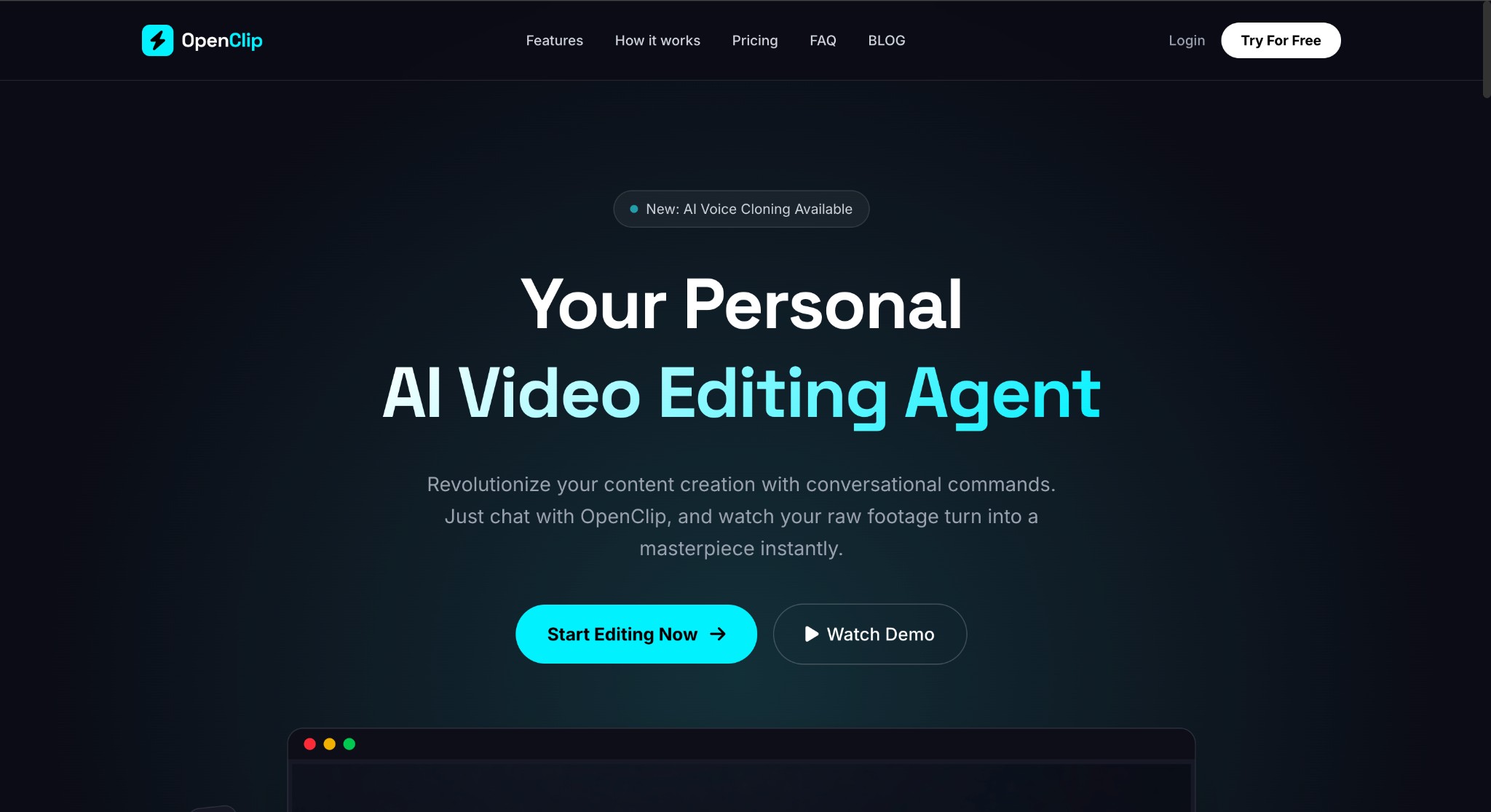
Artificial intelligence is revolutionizing creative workflows, transforming complex tasks into manageable processes. For video editing, AI is a game-changer, simplifying intricate operations and moving beyond intimidating technical jargon. Tools like OpenClip exemplify this shift, acting as a personal AI video editing agent that leverages simple chat commands to convert raw footage into professional videos. Features such as automatic silence removal, caption generation, background music insertion, and smart transitions are made instant, enabling multi-round revisions without requiring any editing skills. This makes professional-grade video creation accessible to all, especially for content creators like YouTubers and vloggers.
Defining 'Portrait Video Editor' in Today's Context
In the current landscape, a 'portrait video editor' often refers to tools and approaches that focus on personal narratives, presenter-centric content, and talking-head style videos. These editors prioritize clarity and engagement for content where the individual or their story is central.
Challenges Beginners Face with Traditional Editing
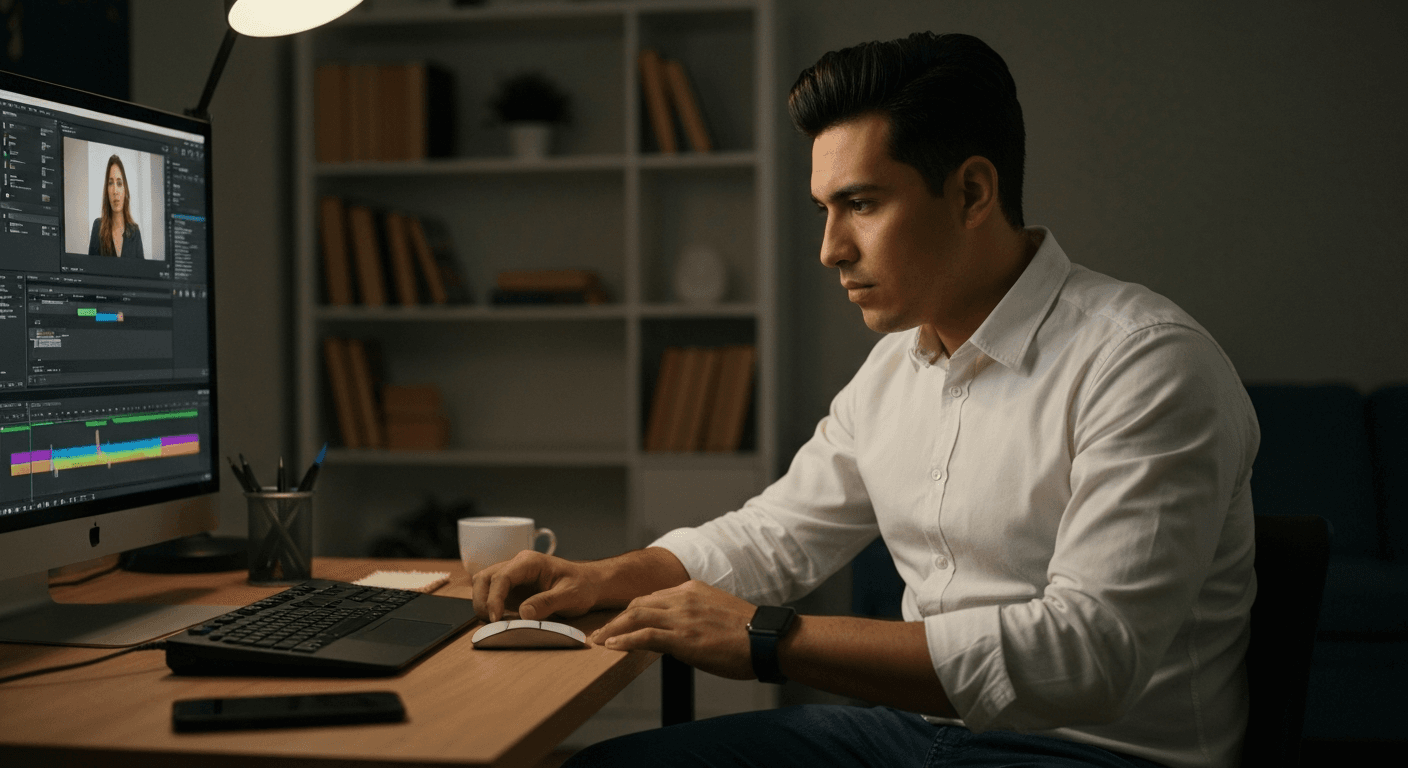
Traditional video editing software often presents a steep learning curve. Beginners commonly grapple with complex interfaces, a vast array of technical controls, and a significant time commitment required to master the craft. This can be a major deterrent for those new to video creation, making AI-powered solutions that streamline the process particularly valuable.
What Makes an AI Portrait Video Editor 'Beginner-Friendly'?
For aspiring content creators, the journey into video editing can seem daunting. An AI portrait video editor, however, aims to democratize this process, making professional-quality results accessible to everyone. The key to its beginner-friendliness lies in its ability to abstract complex technicalities, allowing users to focus on their creative vision rather than the intricacies of software. This is where tools like OpenClip shine, transforming raw footage into polished videos through intuitive interaction.
Intuitive User Interface (UI) and User Experience (UX)
A clean, uncluttered interface is paramount for any beginner-friendly tool. Clear navigation and straightforward controls reduce the learning curve. The focus is on presenting essential functions prominently, avoiding overwhelming users with a multitude of options. This design philosophy ensures that new users can quickly understand how to import footage, make basic edits, and export their final product without feeling lost.
Natural Language Processing (NLP) and Conversational Commands
Revolutionizing the editing experience, Natural Language Processing (NLP) allows users to interact with the portrait video editor using simple chat commands. Tools like OpenClip enable users to describe their desired edits in plain English, such as "remove silences" or "add background music." This conversational approach eliminates the need to learn specific button functions or complex keyboard shortcuts, making editing as easy as having a conversation.
Automation of Tedious Tasks
AI's power is harnessed to automate time-consuming and repetitive tasks. This includes features like automatic silence removal, intelligent caption generation, and even smart B-roll insertion. By handling these technical aspects, the AI portrait video editor frees up beginners to concentrate on storytelling and creative expression, significantly reducing the time and effort required to produce a professional-looking video.
Guided Workflows and Templates
To further assist novices, many AI portrait video editors offer pre-set styles and templates. These act as a guiding hand, providing a starting point and demonstrating best practices. Beginners can select a template that matches their desired aesthetic or video type, and the AI will apply appropriate transitions, music, and effects. This guided approach helps users achieve professional results even with minimal editing experience.
Accessibility and Cost-Effectiveness
The accessibility of an AI portrait video editor is also crucial for attracting new users. Affordable or freemium pricing models make these powerful tools available to a wider audience. By reducing the barrier to entry, both in terms of technical skill and cost, these editors empower more individuals to create engaging video content, fostering a more inclusive digital landscape. The ultimate goal is to minimize the need for extensive technical editing skills.
Deep Dive: OpenClip - Your AI Video Editing Agent
OpenClip is revolutionizing video creation by acting as your personal AI video editing agent. It transforms raw footage into polished, professional videos through intuitive chat commands, making sophisticated editing accessible to everyone. This innovative approach removes the steep learning curve traditionally associated with video editing, empowering creators to focus on their message and content.
Understanding OpenClip's Core Value Proposition
OpenClip's core value lies in its ability to democratize video production. It solves the problem of time-consuming and technically demanding editing processes. For individuals aiming to create engaging content, especially in the portrait video editor space, OpenClip offers unparalleled efficiency and ease of use. Its unique selling proposition is the conversational interface, allowing users to dictate their editing needs naturally, fostering experimentation and creativity without requiring specialized skills.
Key Features for Effortless Portrait Video Creation
OpenClip excels in streamlining the creation of portrait videos. Key features include the automatic removal of silence and filler words, ensuring clear and concise communication. The platform also offers instant insertion of background music and smart transitions, adding a professional polish to your videos. For content creators, particularly those focused on YouTube and vlogging, this means significantly reduced editing time and a higher quality output.
How OpenClip Empowers Beginners Through Chat Commands
OpenClip empowers beginners by leveraging natural language processing. Instead of navigating complex timelines and tools, users can simply type commands like "remove filler words," "add upbeat music," or "make this section more dynamic." This conversational approach to video editing means that even those with zero prior editing expertise can achieve impressive results. The ability to request multi-round revisions without needing to understand editing jargon fosters experimentation and confidence.
Beyond Basic Editing: Advanced AI Capabilities
OpenClip goes beyond basic editing with advanced AI capabilities. This includes AI auto-editing, smart B-roll insertion to enhance visual storytelling, and AI background music synchronization that perfectly matches the mood and pacing of your video. Furthermore, AI auto-caption generation ensures your content is accessible and engaging, while AI video cutting creates dynamic and fast-paced edits. These features position OpenClip as a powerful tool for modern content creators seeking efficiency and professional polish.
Use Cases: Perfect for YouTubers, Vloggers, and More
OpenClip is ideally tailored for YouTubers, vloggers, and modern content creators who need to produce high-quality videos efficiently. Practical examples include editing a podcast clip with automatic transcription and B-roll suggestions, transforming a product review into a concise and engaging demonstration, or crafting a compelling personal story video with smart transitions and background music. As a versatile portrait video editor, OpenClip simplifies the entire workflow, from raw footage to final upload.
Comparing AI Portrait Video Editors: What to Look For
When selecting an AI portrait video editor, discerning users prioritize capabilities that streamline content creation. Not all AI editors are created equal; it's crucial to assess core functionalities that align with your specific needs. Tools like OpenClip, an AI video editing agent, exemplify how advanced AI can transform raw footage into professional videos through simple chat commands, addressing common pain points for YouTubers and vloggers.
Feature Set vs. Simplicity: Finding the Right Balance
The ideal portrait video editor strikes a balance between a comprehensive feature set and user-friendliness. While advanced editing suites offer granular control, beginners often benefit from intuitive interfaces. For instance, the advantage of chat-based interfaces over traditional timelines for beginners is significant. OpenClip's approach, where users can transform footage via simple chat commands, democratizes video editing, eliminating the steep learning curve associated with complex software.
The Power of Conversational Editing: A Key Differentiator
A key differentiator in modern AI portrait video editors is the power of conversational editing. Instead of navigating intricate menus, users can articulate their desired edits through natural language. This conversational approach, as seen with OpenClip, makes the editing process more accessible and efficient. The ability to simply "remove silence" or "add captions" through a chat interface is a testament to this evolving paradigm.
AI-Powered Automation: Silence Removal, Captions, and Transitions
AI-powered automation is at the heart of efficient video editing. Tools that automatically handle common editing pain points, such as silence removal and caption generation, save creators substantial time. OpenClip's ability to instantly remove silence, add captions, insert background music, and apply smart transitions exemplifies this. This AI-driven automation is particularly valuable for vloggers and content creators who need to produce polished videos quickly.
Revision Capabilities: Iterative Improvement Made Easy
The importance of being able to refine edits through simple commands cannot be overstated. Iterative improvement is made easy when AI editors support multi-round revisions without requiring extensive editing skills. OpenClip allows users to make numerous adjustments through conversational prompts, ensuring the final output perfectly matches their vision. This flexibility is vital for achieving professional-grade results.
Integration and Output Options
Compatibility with different video formats and robust export options are essential. A good portrait video editor should seamlessly integrate with your workflow and provide flexible output choices.
| Feature | OpenClip | Generic AI Editor (Example) |
|---|---|---|
| Editing Interface | Chat-based commands | Timeline-based, some AI features |
| Automation | Silence removal, captions, music, transitions | Varies, often requires manual setup |
| Revision Process | Multi-round, conversational | Undo/redo, manual adjustments |
| Learning Curve | Low | Moderate to High |
| Target User | YouTubers, Vloggers, Content Creators | General Video Editors |
Security and Privacy Considerations in AI Editing
Understanding how your data is used and protected by AI editing tools is paramount. Users must assess the reliability and technical prowess of the AI models powering the editor, ensuring their footage and personal information are secure.
Practical Tips for Beginners Using AI Portrait Video Editors
Embarking on video creation with an AI portrait video editor can be a game-changer, transforming raw footage into polished content with ease. Tools like OpenClip, designed as your personal AI video editing agent, simplify the process for modern content creators. By understanding how to prepare your footage and interact effectively with the AI, beginners can unlock professional-level results without extensive editing skills.
Preparing Your Raw Footage for AI Editing
To maximize the effectiveness of any AI portrait video editor, focus on the fundamentals. Clear audio and good lighting are paramount. Ensure your microphone is positioned correctly to capture crisp dialogue, and that your subject is well-lit, avoiding harsh shadows or overexposure. This preparation allows the AI to accurately process speech for features like automatic caption generation and to understand facial expressions for portrait enhancements.
Mastering Conversational Commands for Optimal Results
Interacting with an AI video editor is akin to having a conversation. Experimenting with different phrasing for your commands is key. Instead of a generic "edit this," try specific instructions like "remove all silences and add upbeat background music" or "highlight my main points with dynamic transitions." OpenClip, for instance, excels with natural language, enabling you to guide the editing process through simple chat commands.
Leveraging AI for Storytelling and Engagement
AI can significantly enhance your video’s narrative and audience engagement. Use your portrait video editor to refine pacing, ensuring a dynamic flow that keeps viewers hooked. Smart transitions, automatically inserted by tools like OpenClip, add visual interest between clips. AI can also help identify and emphasize key messages, making your content more impactful.
Understanding AI Limitations and When to Step In
While AI is powerful, it's not infallible. Recognize its limitations. For highly nuanced emotional expression or specific artistic visions, manual adjustments might be necessary. If the AI misinterprets a command or an edit feels slightly off, be prepared to step in and make minor corrections.
Iterative Editing: Embracing Multi-Round Revisions
The true power of AI editing lies in its iterative nature. Tools like OpenClip support multi-round revisions without requiring editing expertise. Use this process to refine your video's narrative, tweak pacing, and ensure the final output perfectly aligns with your creative intent.
Best Practices for Exporting and Sharing Your Videos
Once your video is finalized, choose the right export settings. Select resolutions (e.g., 1080p or 4K) and formats (like MP4) appropriate for your target platforms, such as YouTube or social media. This ensures optimal viewing quality and compatibility for your audience.
The Future of AI Portrait Video Editing
The evolution of the portrait video editor is poised for transformative advancements, driven by sophisticated AI. Tools like OpenClip are pioneering this shift, moving beyond basic editing to offer a truly intelligent content creation experience.
Advancements in AI Models and Natural Language Understanding
AI models are becoming increasingly adept at complex video manipulation. OpenClip, for instance, leverages natural language understanding, allowing users to transform raw footage into professional videos through simple chat commands. This signifies a leap towards more intuitive and powerful AI-driven editing.
Personalized Editing Experiences
The future will see AI learning user preferences, offering a more tailored editing experience. Imagine a portrait video editor that anticipates your style, automatically removing silence, adding relevant captions, and inserting background music and smart transitions instantly, as OpenClip does.
Democratizing Professional Video Production
AI tools continue to lower the barrier to entry for video creators. Features like multi-round revisions without editing skills, as offered by OpenClip, empower YouTubers, vloggers, and modern content creators to produce polished content effortlessly.
The Role of AI in Content Creation Ecosystems
AI video editors are integrating with broader content creation platforms. This seamless integration, coupled with their core capabilities, positions them as essential components within evolving digital content ecosystems. AI is truly becoming a creative partner.
FAQ (Frequently Asked Questions)
Q1: What is the primary advantage of using an AI portrait video editor over traditional software for beginners?
A1: The primary advantage is significantly reduced complexity and a much gentler learning curve. AI portrait video editors automate many tedious tasks and allow for intuitive, often conversational, editing, enabling beginners to produce professional-looking videos without mastering intricate software interfaces.
Q2: How does Natural Language Processing (NLP) benefit beginners in video editing?
A2: NLP allows beginners to interact with the editing software using simple, everyday language. Instead of learning complex commands or buttons, they can type or speak instructions like "remove silences" or "add background music," making the editing process much more accessible and user-friendly.
Q3: Can AI portrait video editors truly produce professional-quality results?
A3: Yes, modern AI portrait video editors can produce professional-quality results. Features like smart transitions, AI-generated captions, background music synchronization, and automated editing processes help polish raw footage to a high standard, often rivaling what could be achieved with manual editing by experienced professionals.
Q4: What kind of footage is best suited for an AI portrait video editor?
A4: AI portrait video editors are particularly well-suited for content where a person or their narrative is central, such as vlogs, interviews, presentations, online courses, and talking-head style videos. Clear audio and good lighting are always beneficial for AI processing.
Conclusion
In conclusion, the search for the ultimate AI portrait video editor for beginners in 2026 is not about finding a single "best" tool, but rather identifying the one that best aligns with your unique creative vision and technical comfort. As we've explored, the landscape is rapidly evolving, with innovative platforms like OpenClip showcasing the power of conversational AI to streamline the editing process. These advanced portrait video editors are no longer just software; they are intelligent collaborators, simplifying complex tasks and unlocking new creative possibilities for aspiring filmmakers.
The true power of these AI-driven solutions lies in their ability to democratize video creation, making it accessible to everyone. Whether you're a budding influencer, a small business owner, or simply someone with a story to tell, the right portrait video editor can transform your raw footage into captivating visual narratives. We encourage you to explore the options discussed, experiment with their intuitive interfaces, and embrace the AI assistance that can elevate your content. Don't let technical hurdles hold you back from sharing your vision. Start experimenting today and discover how easily you can bring your portrait video ideas to life with the power of AI!